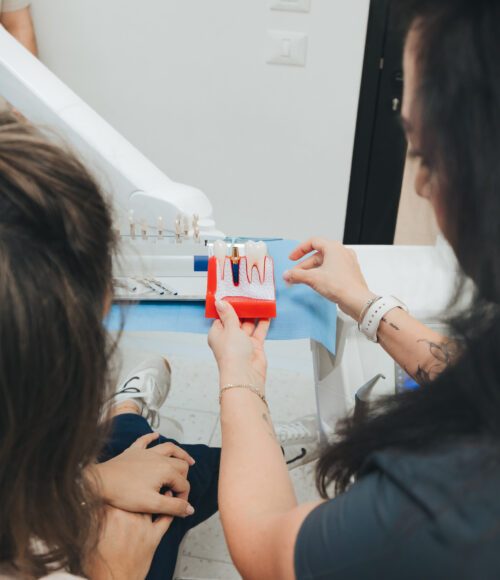
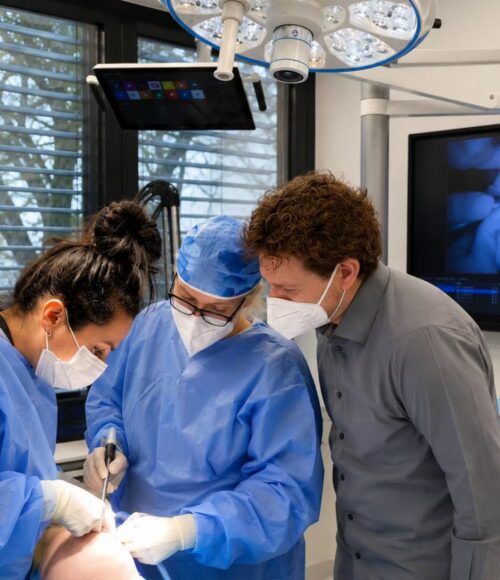
A crown covers a damaged or weakened tooth, helping protect it and restore its shape and function. It may be appropriate after a fracture, a large restoration or root canal treatment, depending on the remaining tooth structure.
Suitability is determined at an individual examination. These signs alone are not a diagnosis.
01
A broken or cracked tooth
02
A tooth after root canal treatment
03
A large filling that no longer holds reliably
04
Tooth wear or discoloration not addressed by whitening
Four stages, a clear plan
This is how treatment usually progresses. The stages, timing and cost are tailored after an individual examination.
01
Examination
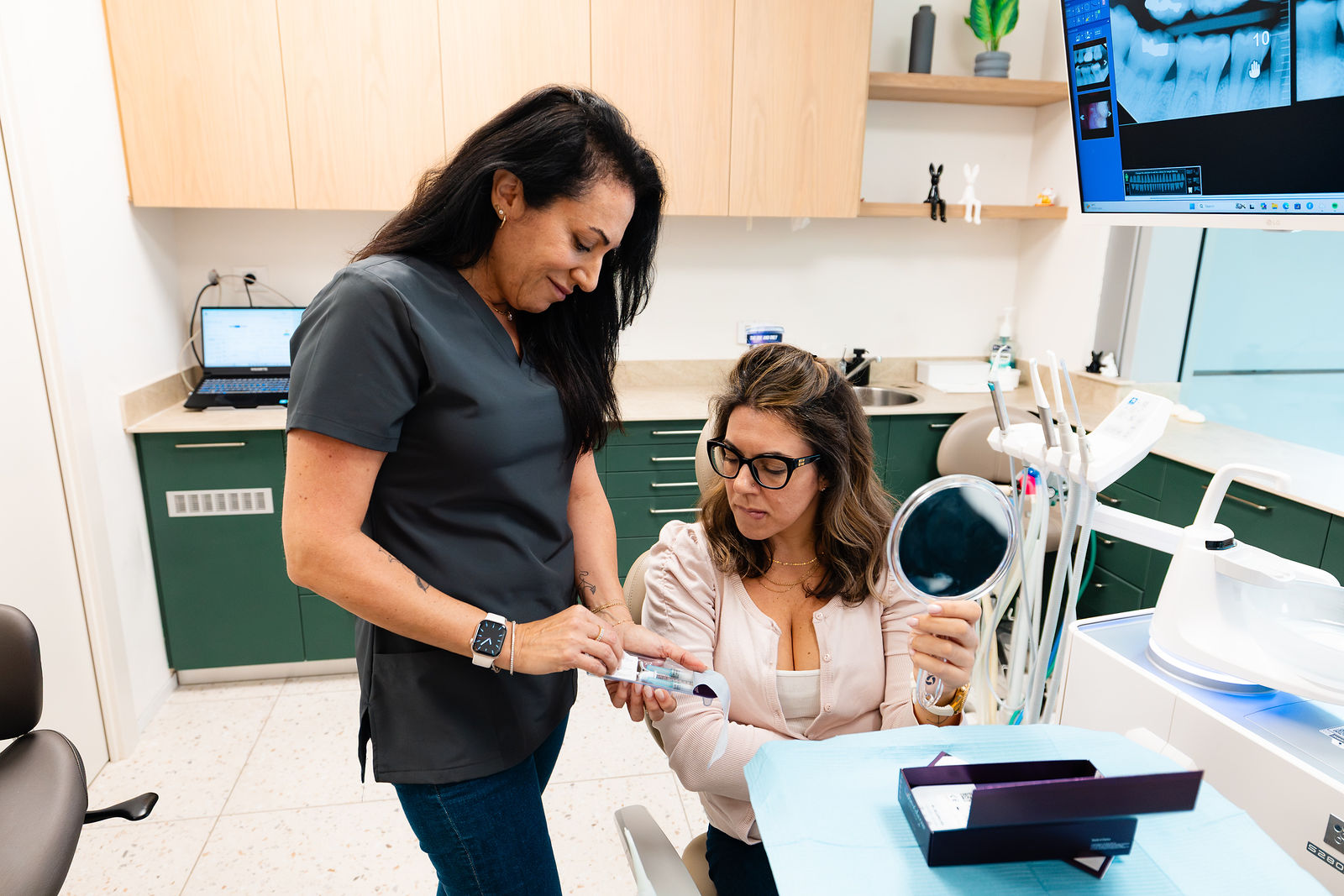
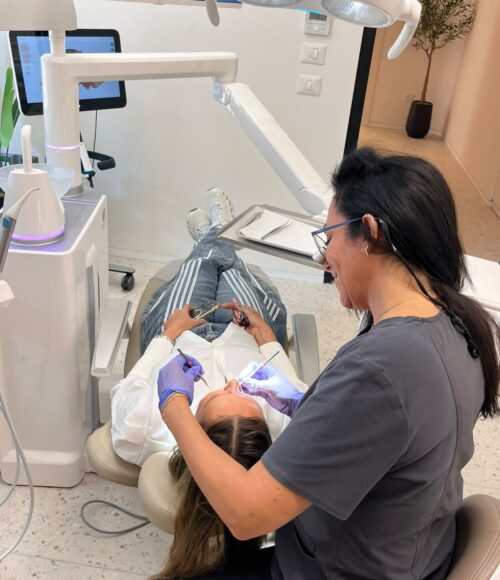
We assess the tooth together with the bite and surrounding gums.
02
Preparation and scanning
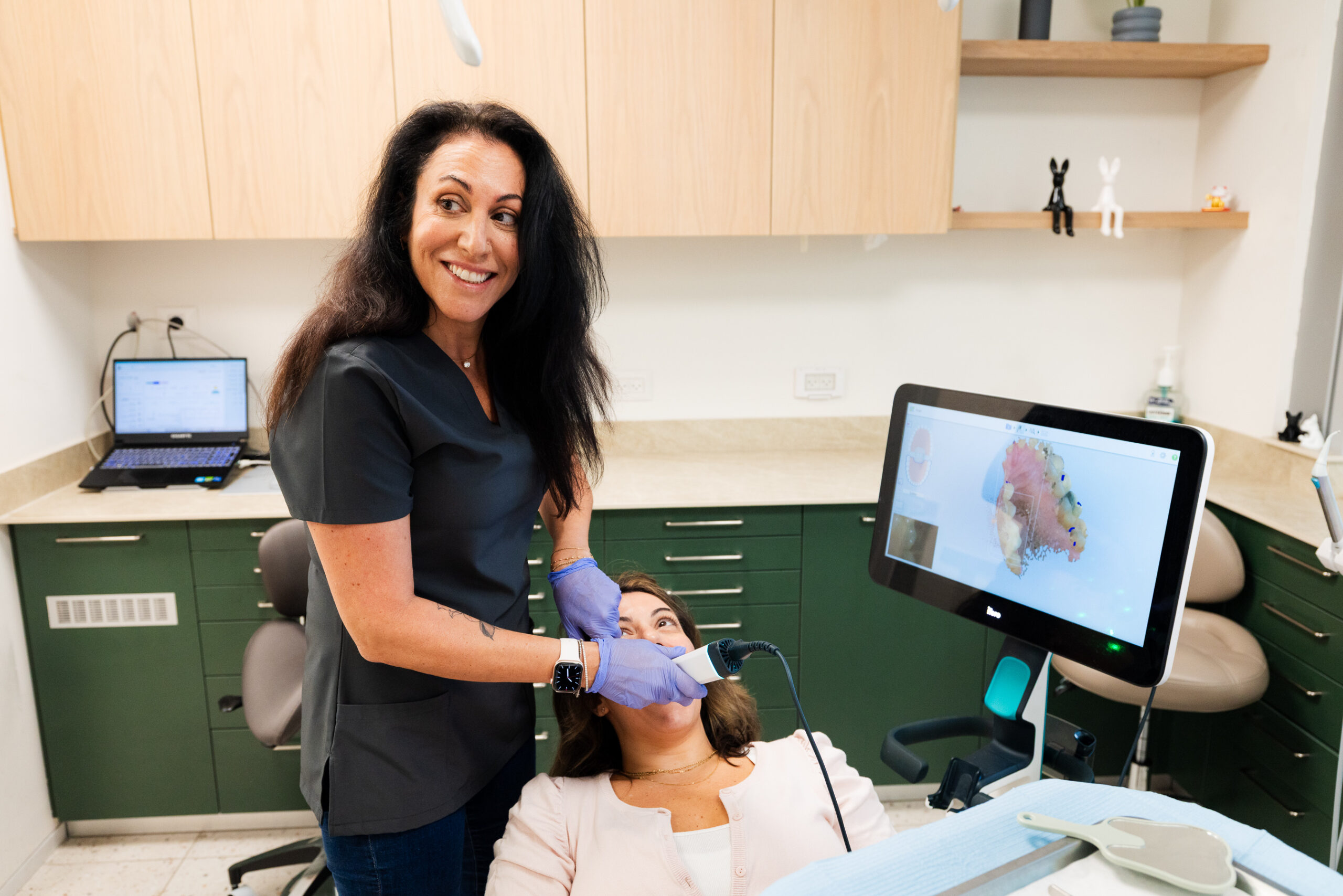
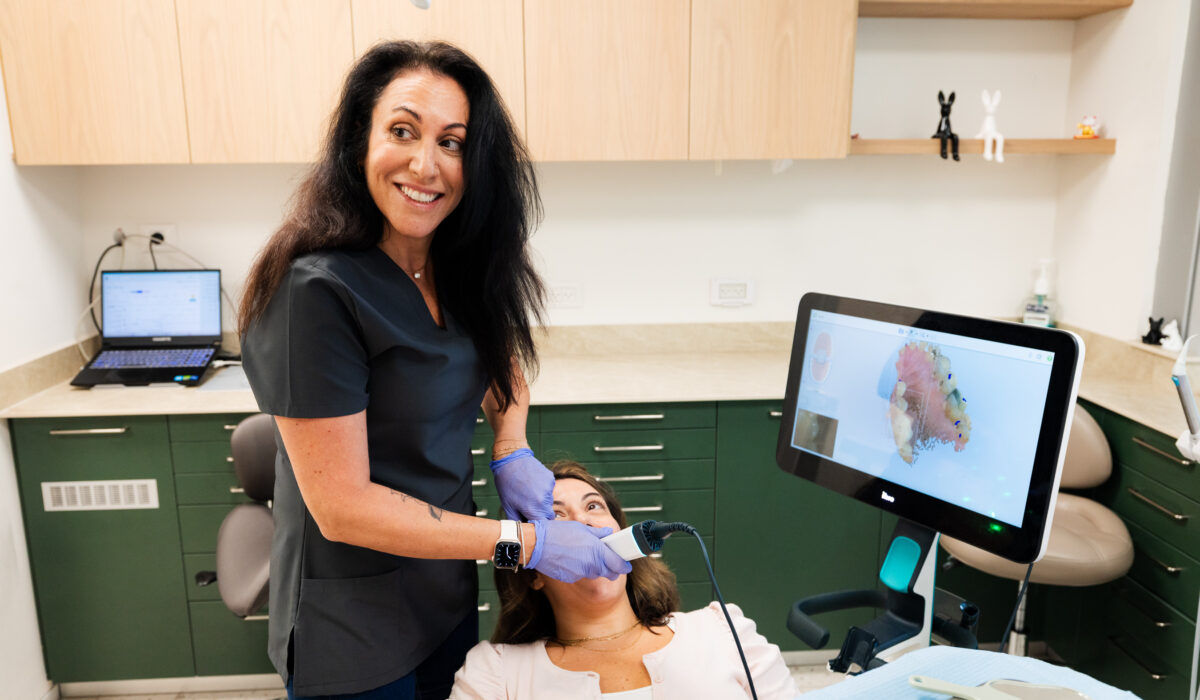
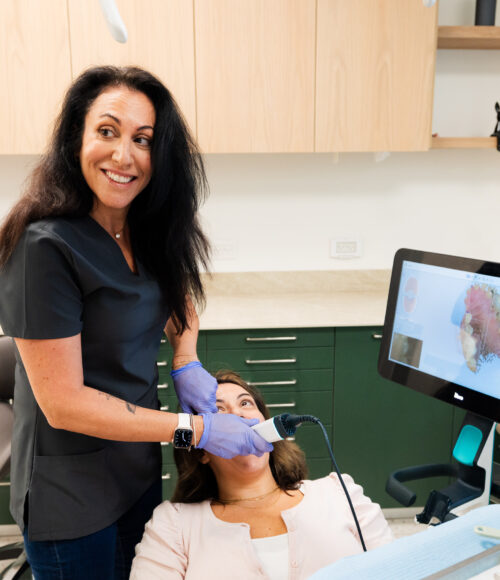
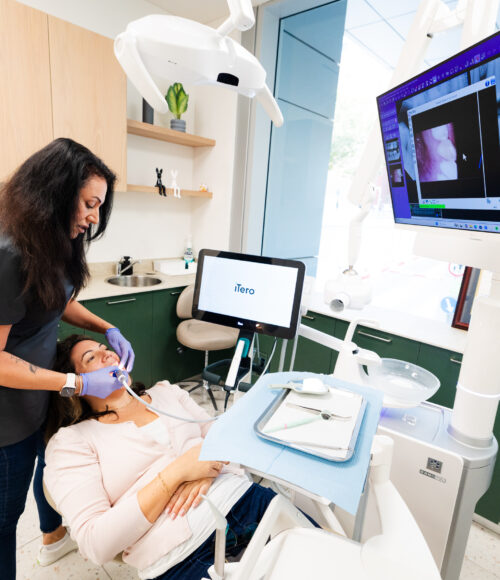
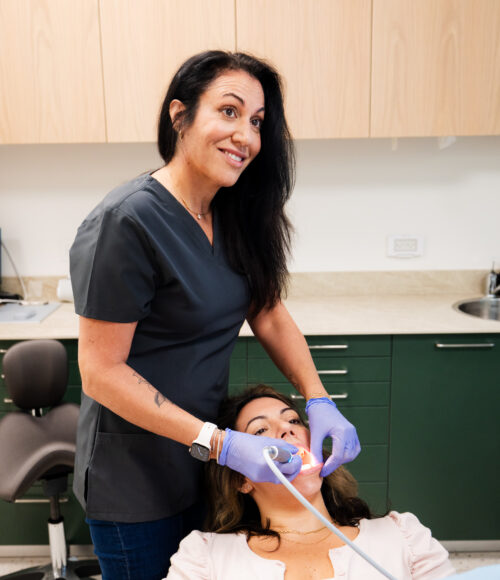
The tooth is prepared under local anesthesia and digitally scanned instead of taking a conventional impression.
03
Design and production
The crown is designed on the scan and produced from an all-ceramic block. A temporary crown is fitted in the meantime.
04
Fit and bonding
We check fit, bite and shade, make any needed adjustments and bond the crown in place.
Care shaped around you
Digitally designed and produced crowns
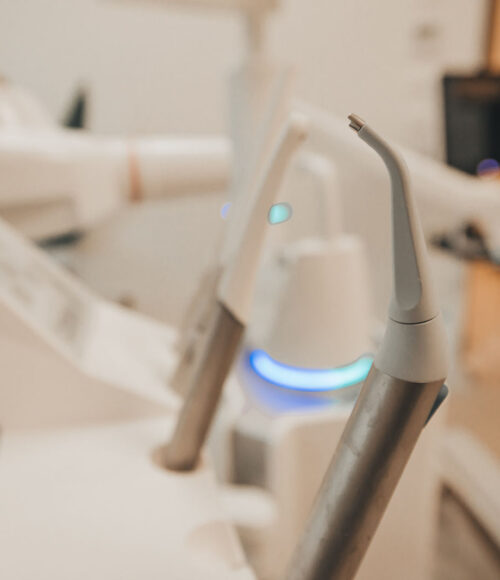
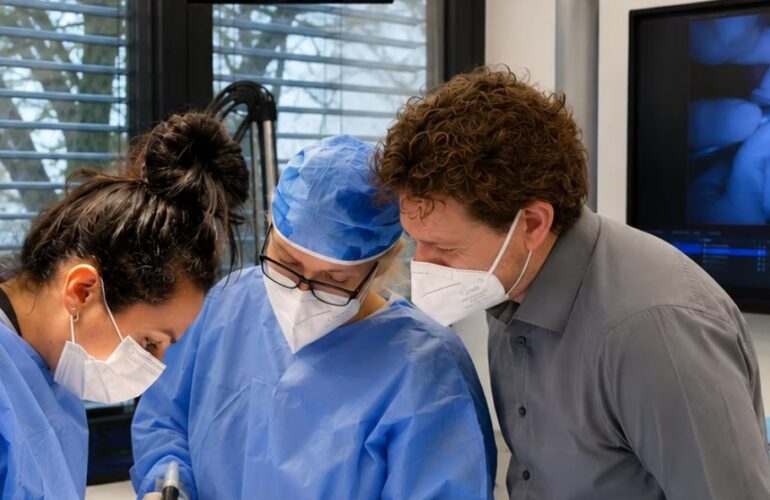
We use intraoral scanning and digital design to create ceramic crowns. The scan can be reviewed on screen and sent for production. The crown type, shade and bite are chosen according to the tooth and your needs.
Suitability is determined at an individual examination. These signs alone are not a diagnosis.
A digital scan creates a model instead of a conventional impression. This model is used to design and produce the crown. The quality of the fit also depends on tooth preparation, planning and the clinical checks.
The shade and shape are chosen in relation to neighboring teeth. The ceramic and the underlying tooth affect appearance, so the result is checked before bonding.
Not necessarily. Digital design and production can shorten the process, but the number of visits depends on the tooth, crown type and any preliminary care. At your examination, we assess whether one visit is possible or whether several visits and a temporary crown are needed.