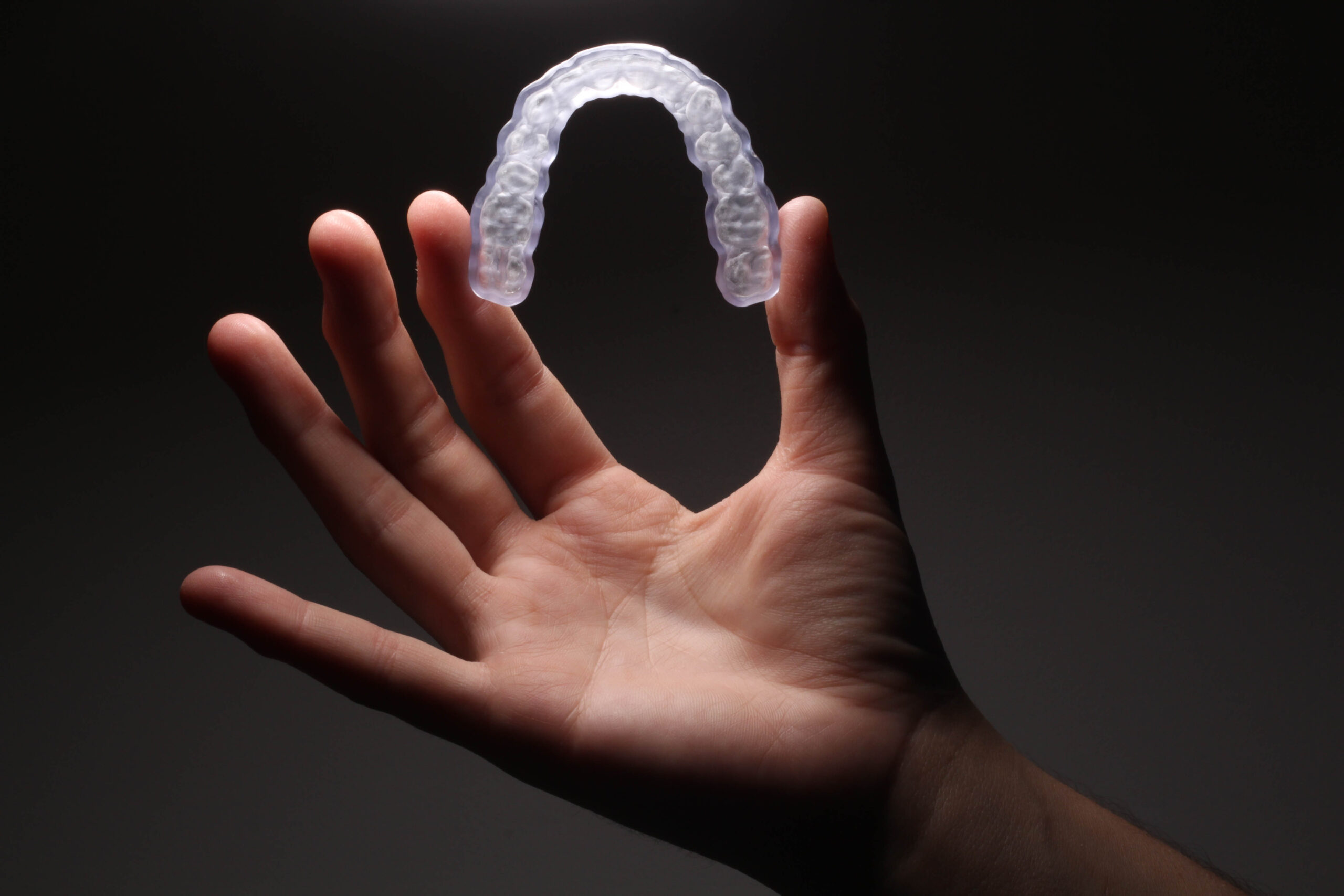
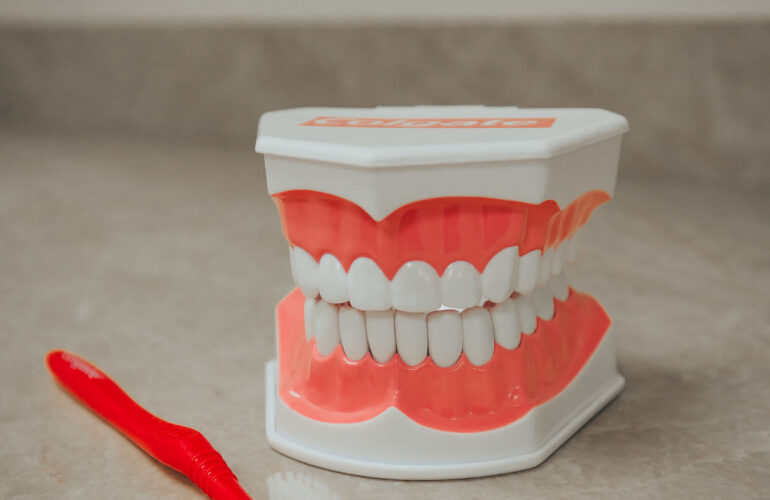
Teeth grinding and jaw clenching may cause tooth wear, sensitivity or morning pain. Sometimes the signs are found during a dental examination, even when you are unaware of grinding at night.
Suitability is determined at an individual examination. These signs alone are not a diagnosis.
01
Tooth or jaw pain in the morning
02
Tooth wear or cracks
03
Jaw joint pain
04
Restorations or veneers that need protection
Four stages, a clear plan
This is how treatment usually progresses. The stages, timing and cost are tailored after an individual examination.
01
Examination
We assess signs of wear, the chewing muscles and jaw joints.
02
Accurate measurements
We take an impression using a soft material or a digital scan.
03
Laboratory production
A custom guard is made according to the dentist’s instructions.
04
Fitting
We check the fit and explain how to use and clean the guard.
Care shaped around you
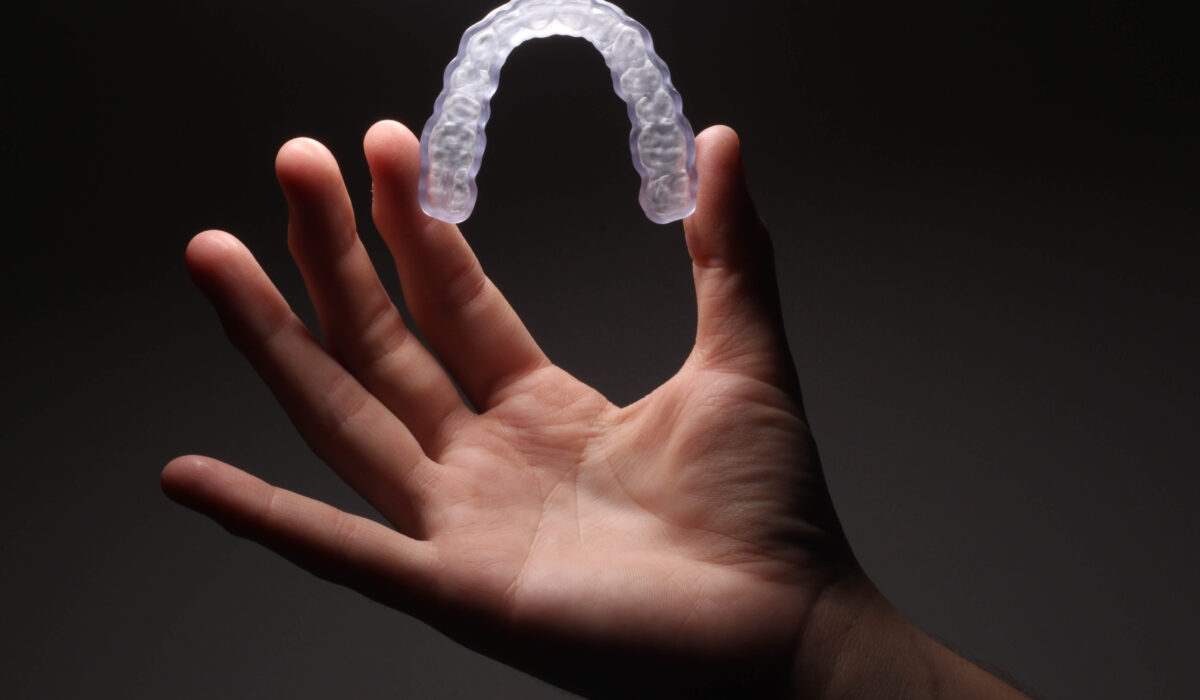
Protecting your teeth while you sleep
A custom night guard creates a protective layer between your teeth. It does not necessarily stop grinding or resolve every type of jaw pain. Assessing the cause helps us choose an appropriate guard and follow-up plan.
Suitability is determined at an individual examination. These signs alone are not a diagnosis.
Grinding and clenching can be associated with several factors, including stress, sleep and certain medications. An examination helps assess your situation and rule out other causes of pain.
Adjustment time varies. If the guard feels tight, causes pain or does not fit properly, contact the clinic for adjustment rather than forcing yourself to use it.
Treatment depends on the diagnosis. Habit changes, management of contributing factors or other approaches may be considered. Masseter injections are an option only in suitable cases and are not an automatic replacement for a guard.